Drawing room · function led, beauty followed
Comfort before aesthetics
A room must work before it can be beautiful. Pathways clear, seating welcoming, light in the right places. Aesthetics follow function — never the other way around.
Interior Design Compendium · Established 1976
A complimentary advisory service from a 50-year Hampstead gallery. We study your space, your light, your life — then recommend pieces from our own inventory that genuinely fit.
50
Years of advisory
78
Artists represented
£0
For the consultation
Gabrielle du Plooy · The studio approach
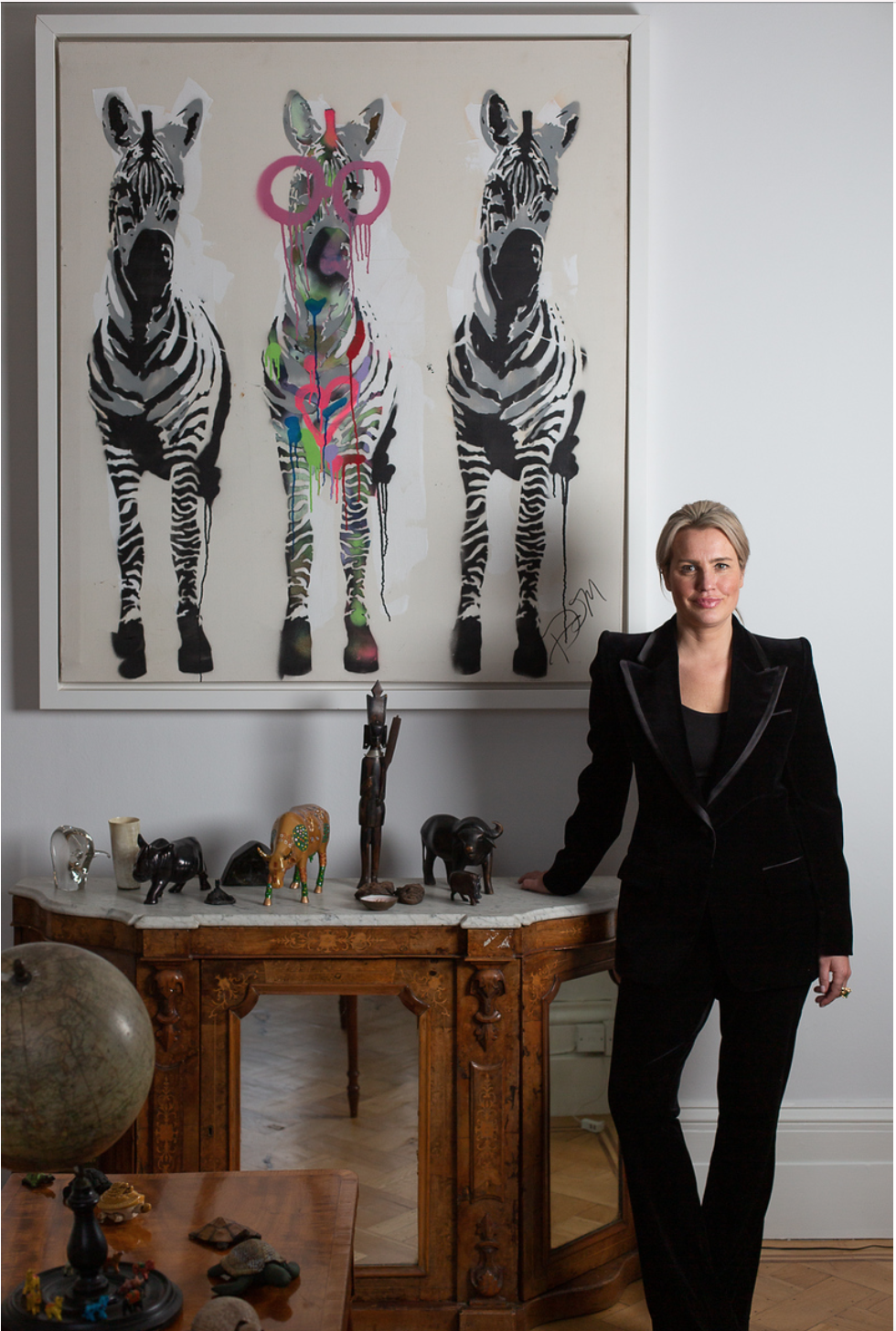
Zebra One Gallery was opened in July 1976 by Lee du Plooy, Gabrielle's father. Gabrielle took over the gallery twenty-five years ago and has spent that time placing art in homes across Hampstead, Mayfair and Holland Park. Her studio's hierarchy never changes: a room must be comfortable first, functional second, beautiful last. Beauty without function is decoration; beauty after function is design.
The team works with named rules — the 60·30·10 colour ratio, odd-numbered styling in threes and fives and sevens, eye-level hanging at 145cm — not because rules are sacred, but because they make a room read calm rather than considered. Once the discipline is in place, the personality has somewhere to live.
The advisors do not sell what is in fashion. They show what will still feel right when fashion has moved on.
The seven rules
The rules Gabrielle du Plooy and her team return to on every consultation — named, specific, and tested in real homes. Comfort first, then function, then the careful choreography of colour, scale, light, and time.
A room must work before it can be beautiful. Pathways clear, seating welcoming, light in the right places. Aesthetics follow function — never the other way around.
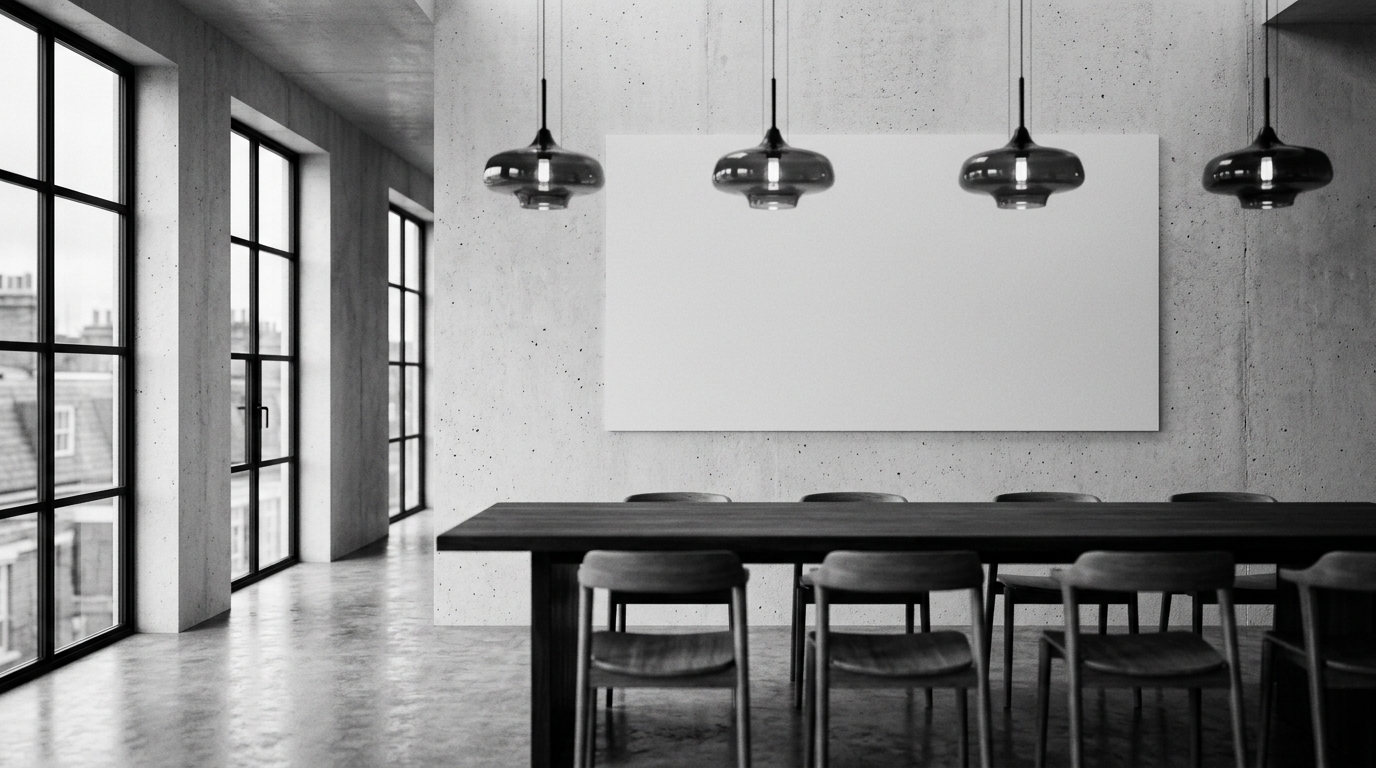
A fireplace, a view, a single commanding artwork. Without a focal point, the eye has nowhere to settle and a room feels restless. We hang the anchor first; everything else arranges itself around it.
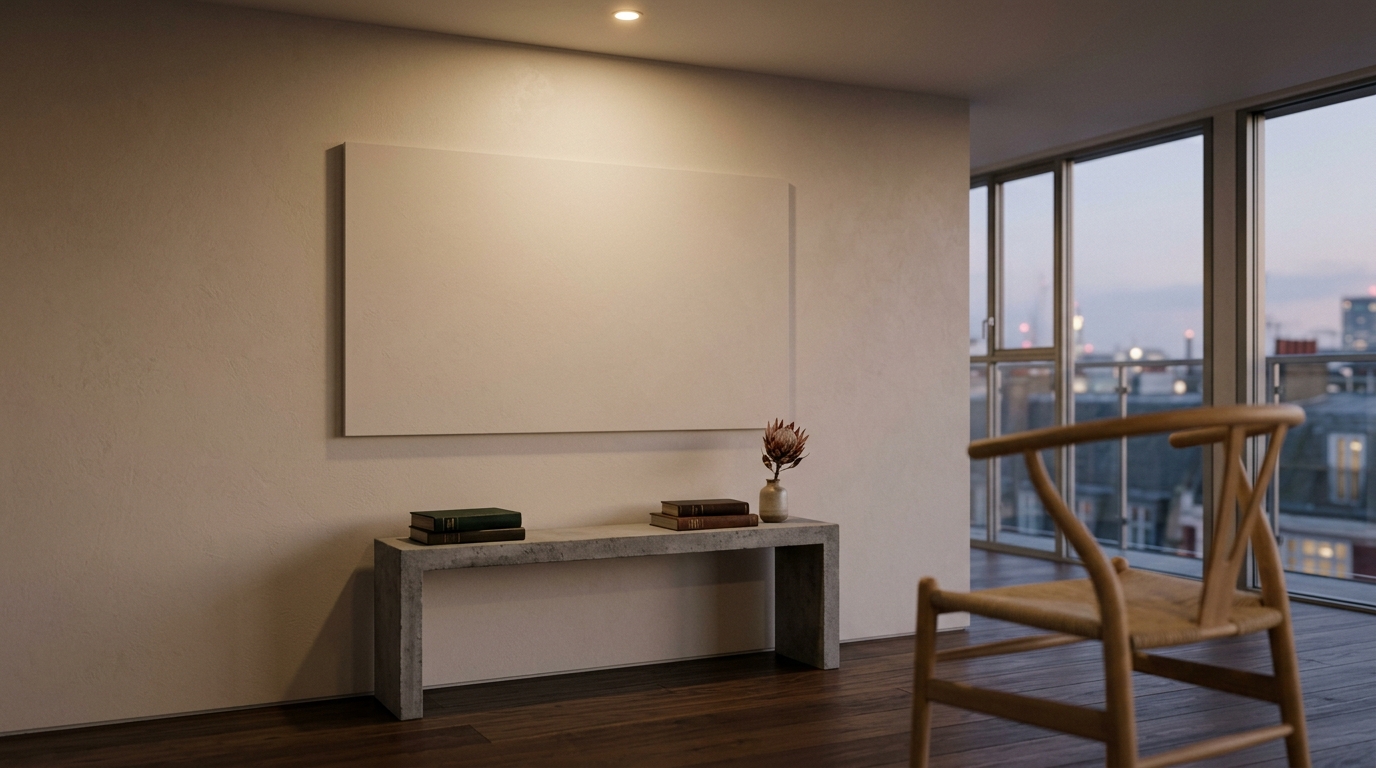
60% dominant tone (walls and floors). 30% secondary (upholstery, curtains). 10% accent (cushions, art, accessories). Three quiet ratios that make a room read as composed rather than decorated.
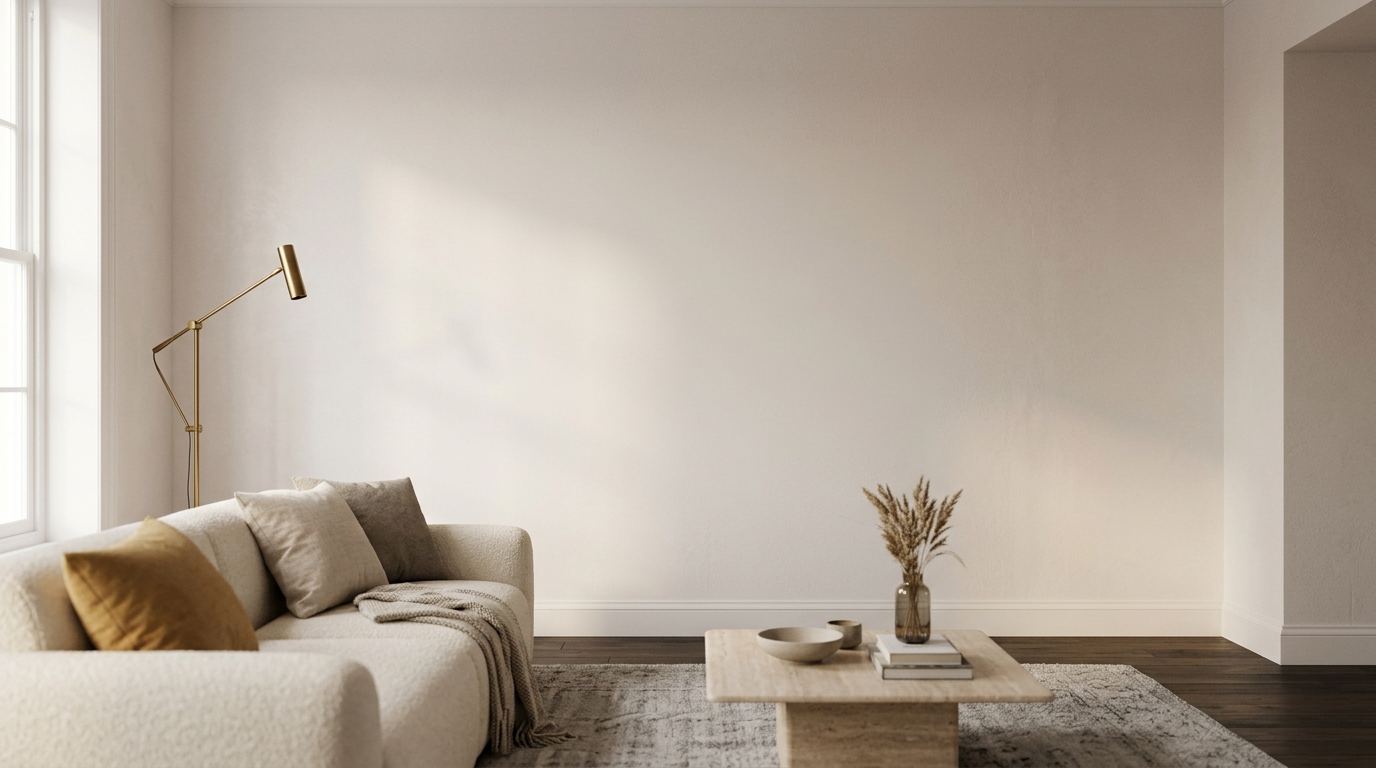
Group accessories — vases, books, candles, cushions — in odd numbers. Threes, fives, sevens. The eye reads odd-numbered groupings as natural arrangements, not stiffly arranged ones.
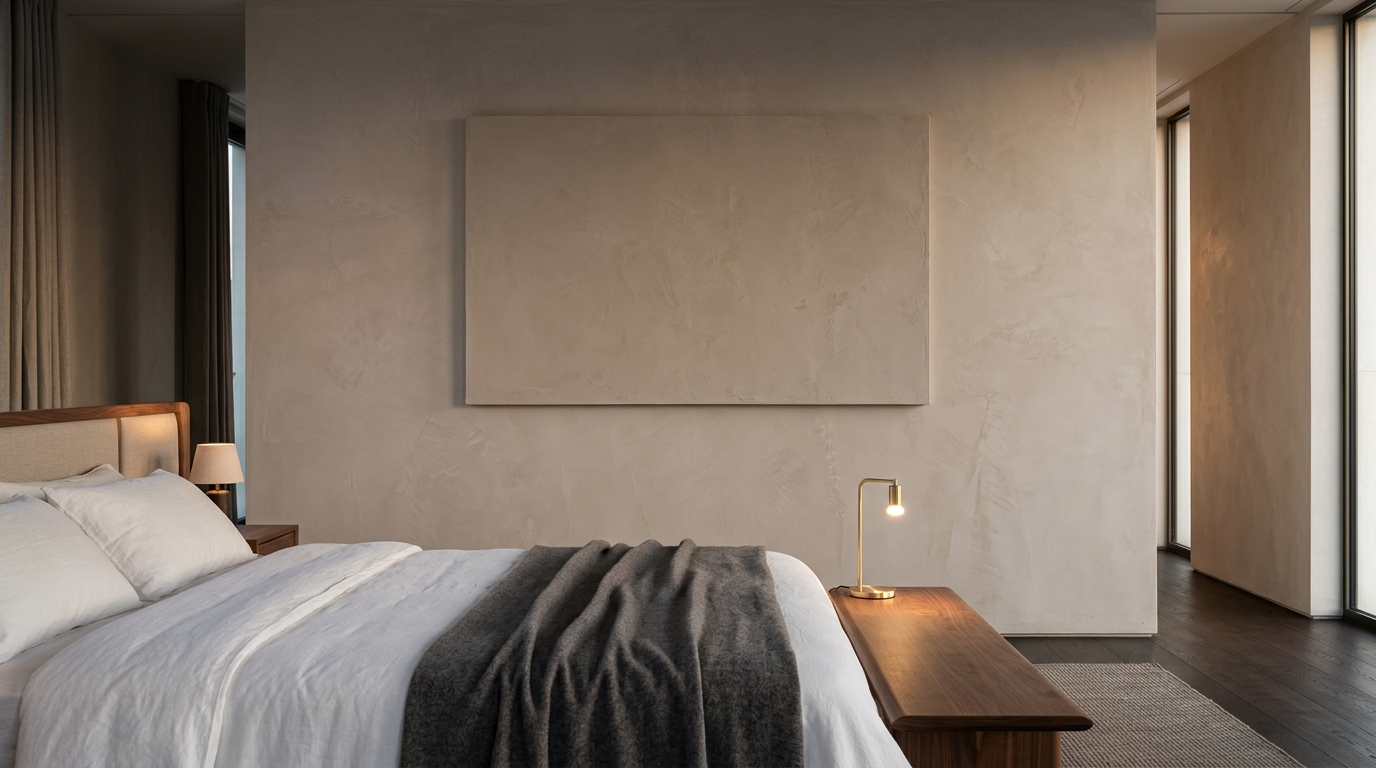
The centre of an artwork sits at roughly 145cm from the floor — eye level for the average adult — regardless of ceiling height or sofa height. Most works hang too high; this single rule fixes it.
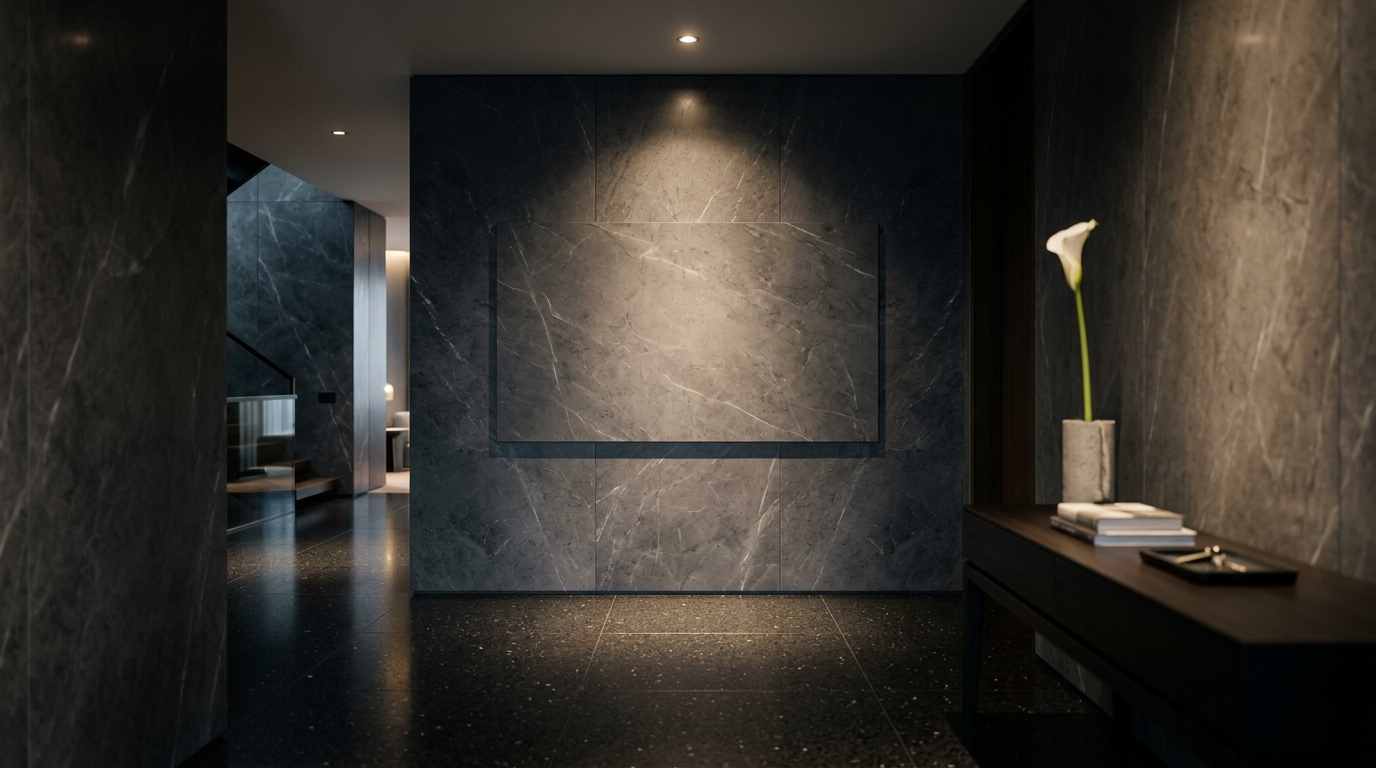
Never one source. Combine ambient (overhead), task (reading and desk), and accent (picture lights, spots). A single overhead bulb flattens a room; layers give it depth, warmth, and quiet drama after dark.
A modern sofa beside an antique console. A contemporary print over a Georgian fireplace. Tension between eras is what gives a home personality — and stops it ageing the moment fashion turns.
And the rules to break
No. 01
It works — provided it sits outside the direct shower spray. Pattern in the most utilitarian room is one of design's quiet pleasures.
No. 02
Counter-intuitive but true: a single large, confident piece in a modest space reads more luxurious than a wall of small, polite ones.
No. 03
Rules give a room its discipline. Instinct gives it its soul. The advisor's job is to know when to apply which — and when to let the client overrule both.
See the difference
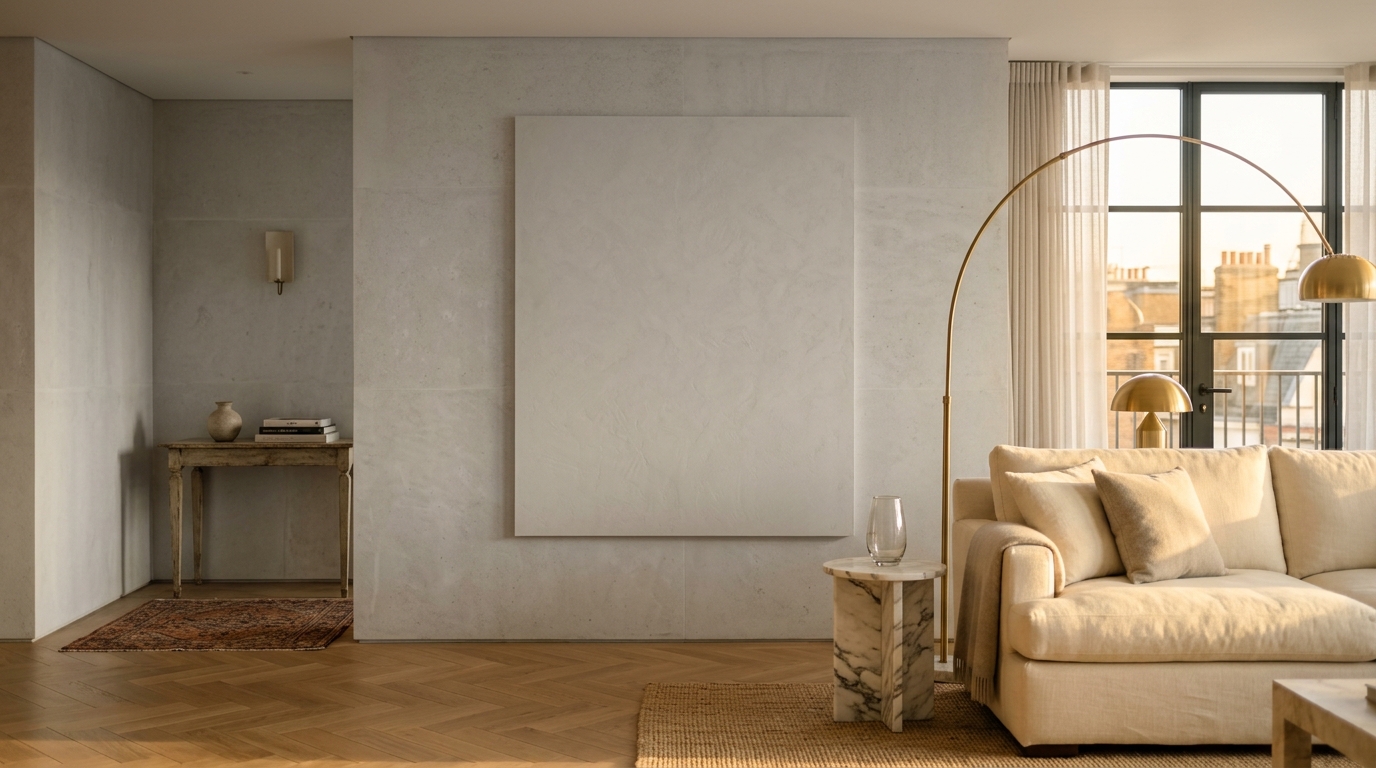
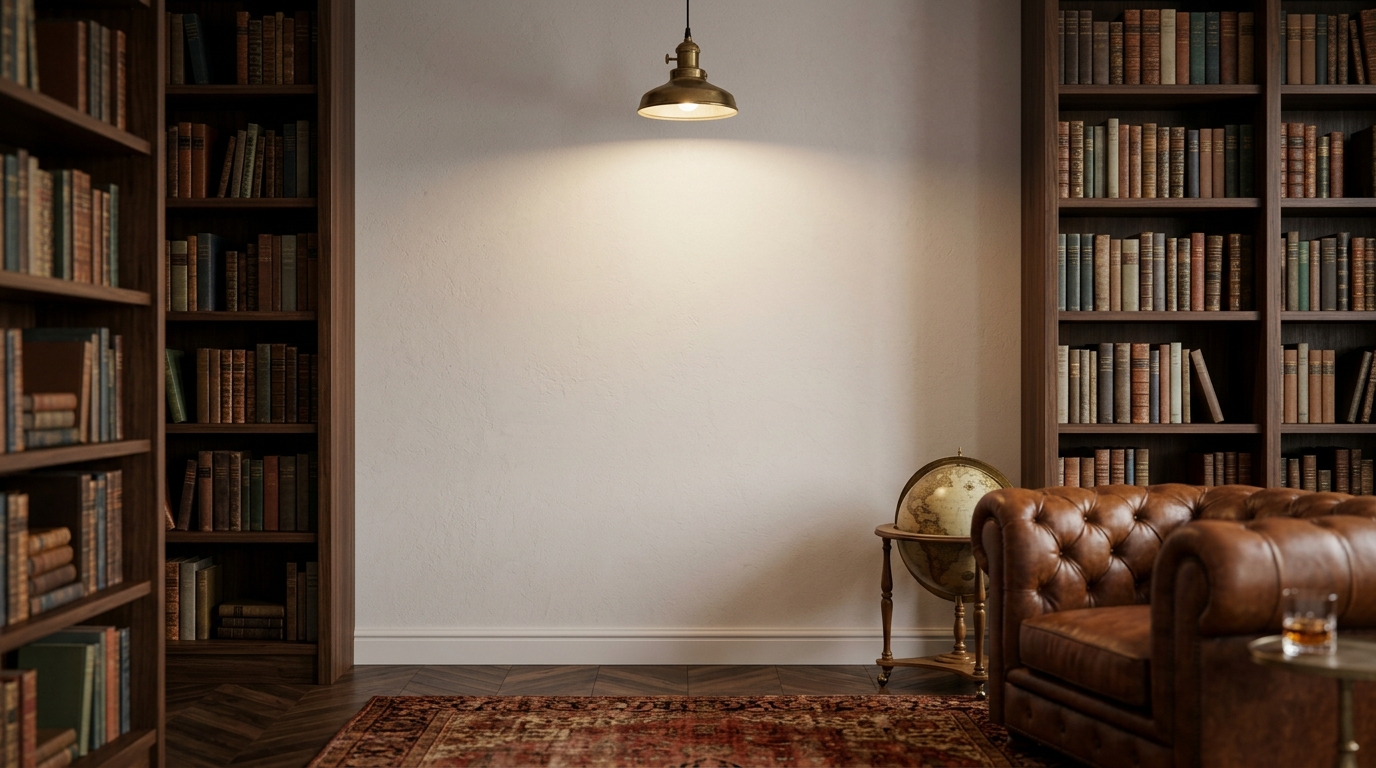
Walls finish a room. Drag the handle to see how a single, considered piece changes the gravity of a space. The proportions, the eye-line, the conversation a chair has with a painting — these are the things a consultation gets right.
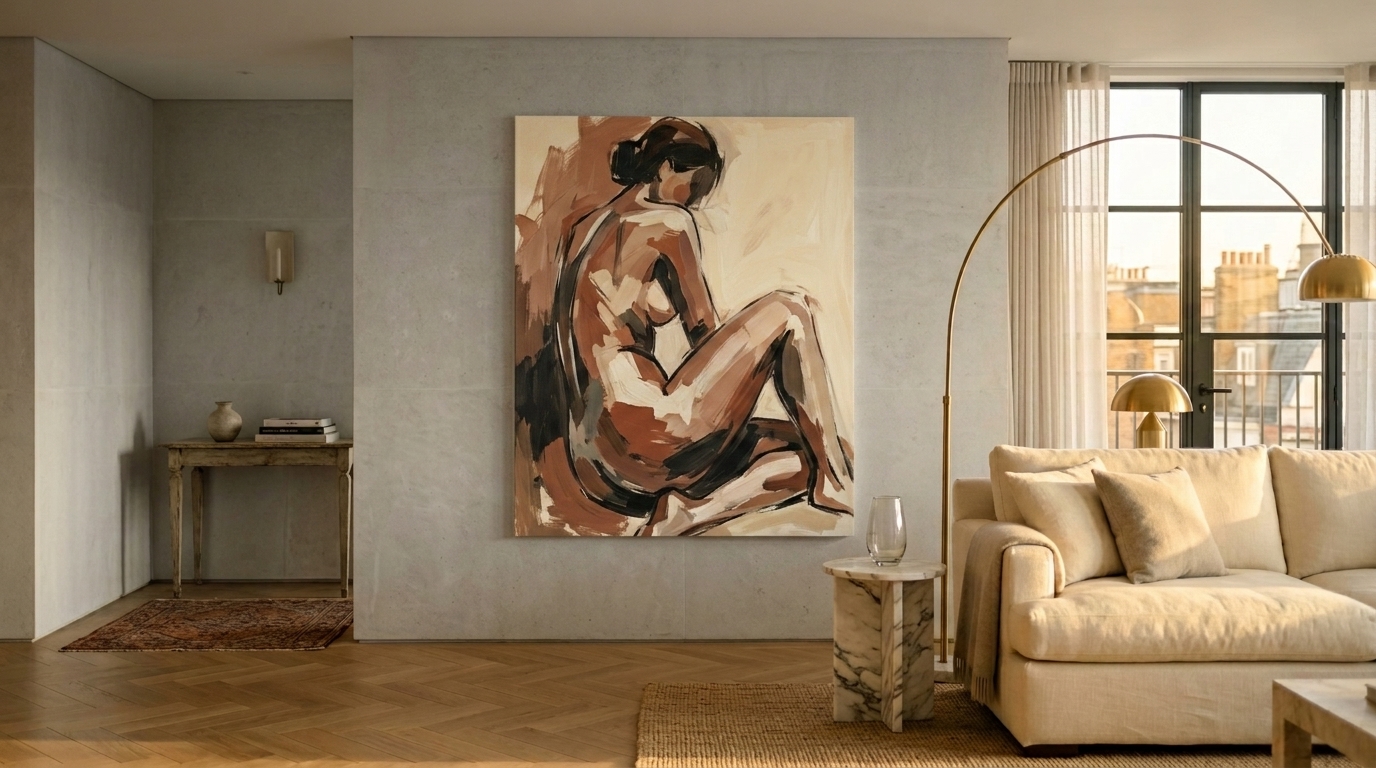
A Hampstead drawing room before and after a Zebra One Gallery consultation. Furniture and lighting unchanged — only the walls.
On placement
"An artwork doesn't sit on a wall. It sets the temperature of the entire room — the way you walk through it, the way you sit, the quiet of every conversation that happens beside it."
Gabrielle du Plooy, Owner & Director
How we work
No guesswork. No pressure. You talk to us about your space — we analyse and recommend work from our real inventory.
01
Share room photographs, style ideas, and budget. A complimentary, open conversation — no obligation.
02
Our curators study light, colour, and scale, then handpick works from the Zebra One collection that truly fit the space.
03
You receive a shortlist with mockups on your own wall. We explain why each piece works — grounded in design, not opinion.
04
Approve, swap, or request alternatives. Once you are happy, we handle framing, delivery, and installation.
The inventory
No samples. No stock imagery. During your consultation we pull the specific pieces that suit your light, scale, and palette — from over 1,000 catalogued works across 78 artists.
Begin
A 30-minute conversation with a senior advisor. We'll listen first.